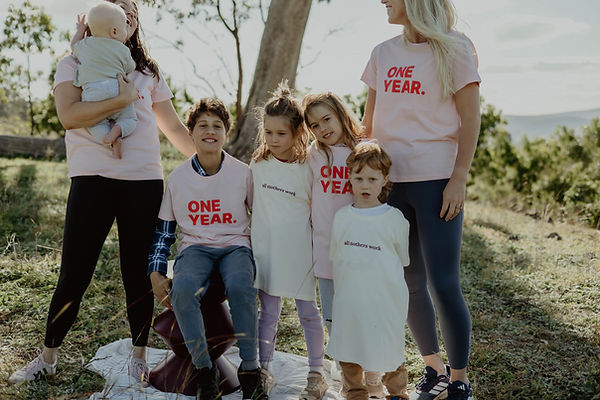
In collaboration


26
$650B
VALUE OF UNPAID CARE WORK
WEEKS' CURRENT PAID LEAVE
$1.5M
1
LIFETIME EARNING GAP
YEAR TO BE THERE

WHAT WE'RE FIGHTING FOR
12 MONTHS PAID LEAVE
We are fighting for 12 months of Paid Parental Leave (paid at replacement wage capped in line with international standards) to be shared by parents however they choose in the first two years. We advocate for an additional three months for the secondary caregiver on a "use it or lose it" basis.
12
MONTHS
Paid leave to be shared by parents however they choose. Many parents seek flexibility and autonomy in how they share care. This means mothers have the option to take a full year which supports postpartum recovery and breastfeeding. Alternatively, they can choose to take less leave.
+3
MONTHS FOR THE SECONDARY CARER
Additional "use it or lose it" leave for the secondary caregiver. Because gender equality requires everyone to share in the care. If there is no clear secondary caregiver, (for example, in the event the shared component is shared equally), the "use it or lose it" component will be distributed to achieve the most equal distribution of care across 15 months.
Scenario 1
Marita decides to take 11 months because she is breastfeeding and rehabilitating her pelvic floor.
In this scenario, Marita's partner takes the remaining 1 month of the shared component and is eligible for the 3 month use it or lose it component. This brings the total leave component for the secondary caregiver to 4 months, allowing time to develop caregiving skills and attachment with their child.
Scenario 2
Allira and her partner David take 3 months of paid parental leave together after the birth of their child.
In this scenario, Allira returns to work after this three month period and David takes the remaining 6 months of the shared component. At 9 months old their baby, Sonny, is enrolled in a local daycare 3 days per week and David returns to part time work. They experience severe daycare sickness and upsetting drop offs so Allira, who has unexpectedly fallen pregnant again, takes the 3 month use it or lose it component. This extends the leave period until Sonny is 13 months old and gives Allira time to recover from morning sickness. Allira ends up take 6 months and David takes 9 months Paid Parental Leave.
Scenario 3
Morgan and Taylor wish to split their Paid Parental Leave equally. Morgan has difficulty weaning their daughter, Avery, and ends up taking 7 months leave.
Taylor takes the remaining 5 months of the 12 month shared leave component. The use it or lose it component is used to equalise their overall leave allocations. Taylor takes the 3 month 'use it or lose it' component because it makes the overall distribution of care more even (Taylor - 8 months, Morgan - 7 months).
WHY IT MATTERS
CARE WORK IS WORK
Paid parental leave reduces the lifetime earnings gap between men and women. It improves workforce participation long-term by keeping attachment to the labour force.
Research shows that while preschool benefits older children, infants and toddlers thrive in consistent, attuned caregiving. Often most easily provided by their parents.
Paid parental leave creates real choice. It supports return to paid work when ready, reduces financial pressure and allows parents to be present for the moments that matter most.
The first year with a baby should not be a privilege only for the wealthy. Every family deserves one year.